Absolutely unreal! We had the asado and it was incredible. The crackling was perfectly crisp, the meat melted in your mouth, and the chips were spot on. Service was good — they had an event going on and kindly apologised for the slight delay, but it was well worth the wait. Highly recommend!
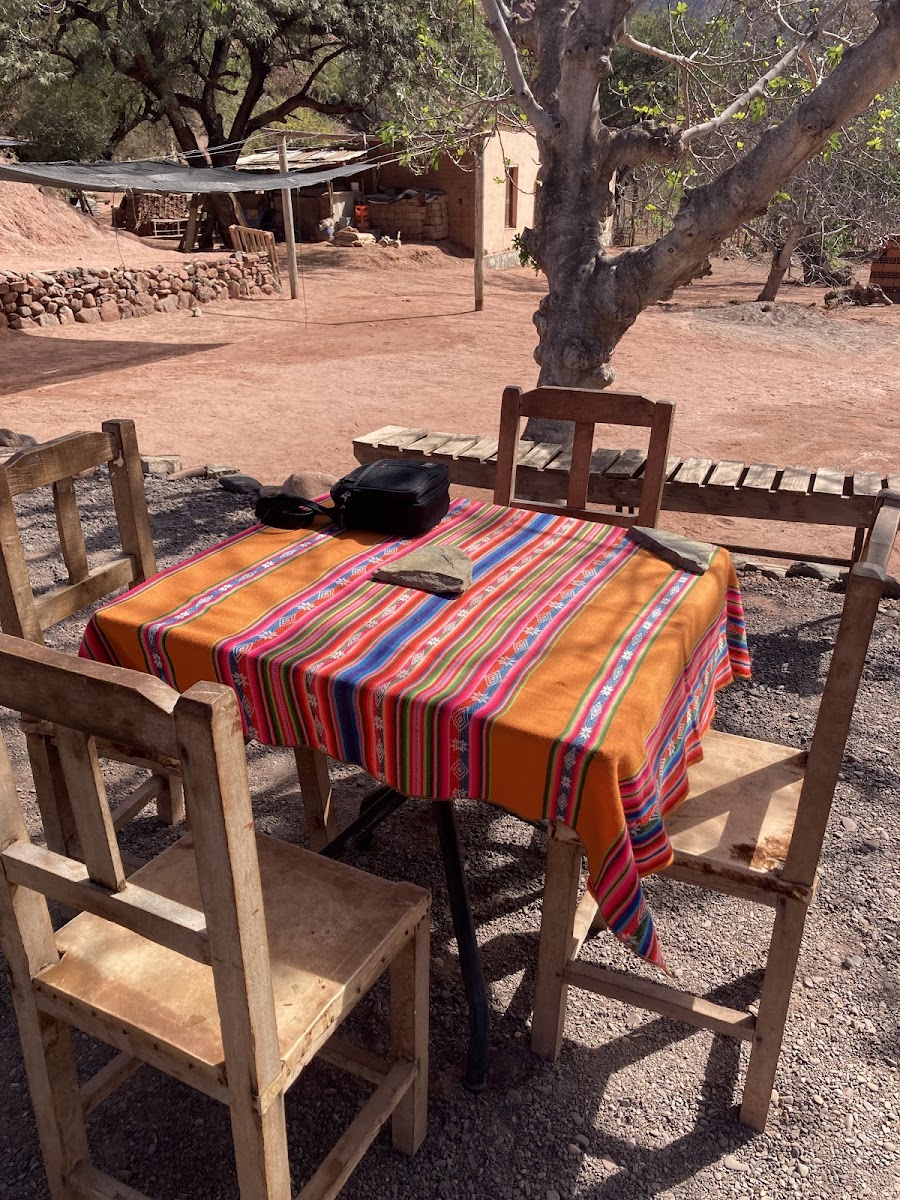
Overview
Set along RN68, km 67, on the scenic road that cuts through the Lerma Valley, Parador Las Abritas feels like the kind of roadside diner you hope to find but rarely do. Surrounded by the rugged landscapes of Salta in northern Argentina, this parador blends rural charm with solid, home-style cooking that speaks directly to the region’s culinary traditions.
I stopped here on a road trip from Salta city toward Cafayate, expecting a quick coffee break. Instead, I ended up staying for a full lunch. The menu leans heavily into local specialties-empanadas salteñas, slow-cooked goat, grilled meats, and generous plates of milanesa. According to Argentina’s Ministry of Tourism, regional gastronomy is one of the top reasons travelers explore the northwest, and places like this make that statistic easy to understand. The empanadas, baked in a traditional clay oven, arrived piping hot with a juicy filling of beef, potato, and spices. The balance of cumin and paprika was subtle but present, the kind of detail you notice when a kitchen respects its roots.
The asado section of the menu deserves attention too. Argentina consistently ranks among the highest beef-consuming countries in the world, as reported by the OECD, and quality matters. Here, the vacío and bife de chorizo were grilled over wood rather than gas, giving the meat a smoky crust while keeping the inside tender and pink. I watched part of the cooking process near the outdoor parrilla-meat placed carefully at varying distances from the flame, turned slowly rather than frequently. That patience makes a difference. It’s not just grilling; it’s technique shaped by decades of tradition.
Beyond the food, the setting adds to the experience. The dining area is spacious, with wooden tables and large windows facing the hills. Travelers, truck drivers, and local families share the same room, creating a relaxed, unpretentious atmosphere. During my visit, a group of cyclists stopped in for lunch, and the staff quickly rearranged tables to accommodate them. Service felt personal rather than scripted. When I asked about the goat stew, the server explained the preparation method step by step-marinated overnight with herbs, then slow-cooked for several hours until the meat nearly falls apart. That transparency builds trust.
Reviews from visitors frequently highlight portion sizes and value for money. In fact, roadside diners along RN68 are known for generous servings, and this location is no exception. A single main dish easily satisfies a hungry traveler. Prices are reasonable compared to urban restaurants in Salta city, which makes it a practical stop for families exploring the Calchaquí Valleys.
Cleanliness and maintenance also stood out. Restrooms were tidy, parking was ample, and the property felt secure-important details for anyone driving long distances. While it’s not a fine-dining establishment, it doesn’t try to be. Instead, it delivers consistency. Food arrives hot, flavors are authentic, and the staff knows the menu well. That reliability is often what keeps people returning.
Of course, peak travel seasons can mean slower service, especially during local festivals or summer holidays. It’s worth noting that weekends tend to be busier, so timing your stop can make a difference. Still, even with a full dining room, the kitchen maintained quality during my visit, which says a lot about their organization.
For travelers navigating RN68, Las Abritas is more than just a fuel stop for the body. It’s a snapshot of northern Argentine hospitality-simple, hearty, and grounded in regional identity. Between the wood-fired grill, traditional recipes, and welcoming atmosphere, it captures the essence of roadside dining in Salta without losing authenticity.
Good to know
From the business
✓ Identifies as women-ownedService options
✓ Outdoor seating ✓ Takeaway ✓ Dine-in ✓ DeliveryHighlights
✓ Great dessertPopular for
✓ Breakfast ✓ Lunch ✓ Dinner ✓ Solo diningAccessibility
✓ Wheelchair-accessible seating ✓ Wheelchair-accessible toiletOfferings
✓ Alcohol ✓ Beer ✓ Coffee ✓ Quick bite ✓ Small plates ✓ Vegetarian options ✓ WineDining options
✓ Breakfast ✓ Brunch ✓ Lunch ✓ Dinner ✓ Dessert ✓ Seating ✓ Table serviceAmenities
✓ Bar on site ✓ Gender-neutral toilets ✓ ToiletAtmosphere
✓ Casual ✓ Cosy ✓ Quiet ✓ TrendyCrowd
✓ Family friendly ✓ Groups ✓ LGBTQ+ friendly ✓ TouristsPlanning
✓ Accepts reservationsPayments
✓ Cash onlyChildren
✓ Good for kidsParking
✓ Free of charge street parking ✓ Free parking lot ✓ ParkingPhotos
1 / 4
Location
Reviews
- No ratings yet 314 reviews
Highly recommended! Great people and lovely empanadas made in the oven right next to you. Perfect for a bite on your road trip in Salta.
What an incredible vineyard. A really local experience with delicious wine and empanadas. We were allowed to sit in the vineyard which was an experience of a lifetime
Great place to stop and eat a salade, empanada or costillet. Very nice and friendly staff. Toilets with soap.
Stopped for a quick bite on our drive from Cafayate to Salta – 10/10 experience. Great empanadas, friendly hosts, and such a lovely experience eating the most delicious empanadas by the road while looking at the beautiful landscape.
The best fried empanada i tried in Salta. Highly recommend to stop by and try the best homemade empanadas.
good spot on the road to grab homemade empanadas baked in the oven.
Good place, local food, try the empanadas, they cook them in a self-built stove outside.